
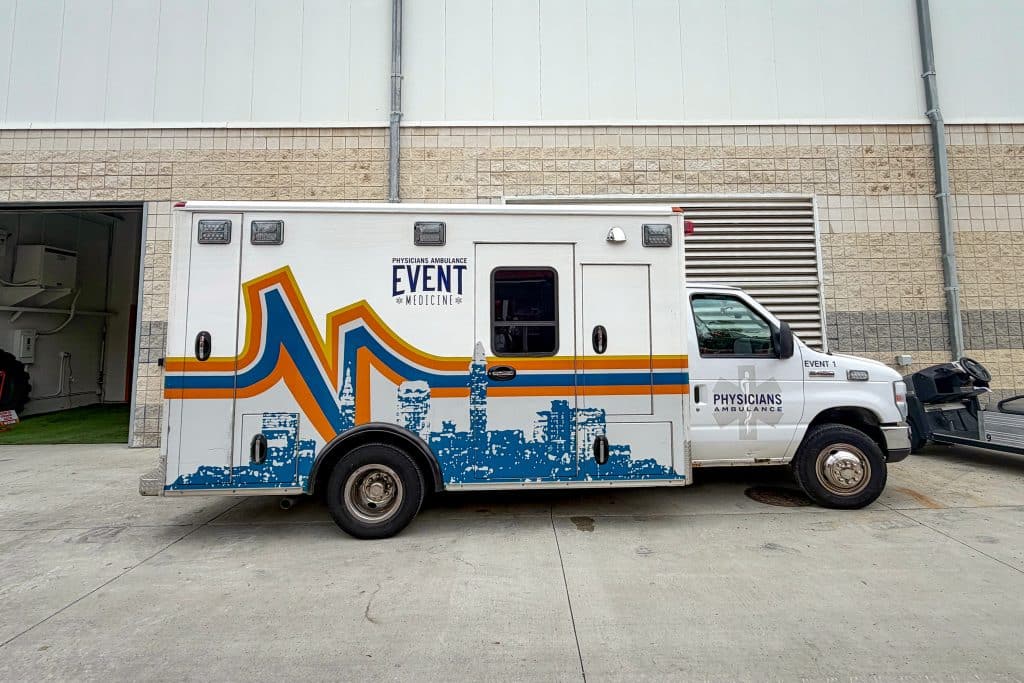
When you hear “ambulance,” you might immediately think of sirens, flashing lights, and emergency response. While emergency medical services handle life-threatening situations, there’s another essential service that helps thousands of patients every day: non-emergency medical transport. Non-emergency medical transport plays a critical role in helping patients safely access care when traditional transportation is not an option.
Non emergency medical transport, often called NEMT or skilled patient transport, provides safe medical transportation for individuals who need to travel to healthcare appointments or facilities but don’t require emergency intervention. Understanding when and how to use these services can make healthcare more accessible for patients with specific medical needs, non-emergency medical transport services helps ensure patients can access care safely, consistently, and without unnecessary risk.
Understanding Non-Emergency Medical Transport
Non-emergency medical transport refers to ambulance services provided to patients who are medically stable but still require professional medical oversight during transportation. Unlike emergency ambulances that respond to urgent, life-threatening situations with lights and sirens, non-emergency transport is scheduled in advance and moves at regular traffic speeds.
This type of service fills a critical gap in the healthcare system by supporting patients who require medical care during transport but are not in immediate danger. Some patients need more than a standard vehicle can provide but don’t require emergency response. They might need to remain on a stretcher during transport, require monitoring of vital signs, or depend on structured medical equipment like oxygen or ventilators throughout their journey.
The key difference is timing and medical necessity. Emergency services respond to unpredictable, critical situations. Non-emergency medical transport handles planned trips where the patient’s condition is stable but still requires medical care during transit.
Who Needs Non-Emergency Medical Transport?
Several groups of patients regularly benefit from non-emergency medical transport services, particularly those who require safe, medically supported access to healthcare:
Patients Requiring Stretcher Transport
Some individuals cannot safely sit upright during transportation due to their medical condition, recent surgery, or mobility limitations. These patients need to remain on a stretcher, which standard vehicles cannot accommodate. Non-emergency ambulances are equipped with secure stretcher systems and the space needed for safe transport.
Individuals with Monitored Medical Conditions
Patients whose vital signs need continuous monitoring during travel rely on skilled patient transport. This includes individuals with cardiac conditions, respiratory issues, or those recovering from medical procedures who remain stable but require professional oversight throughout their journey.
Patients Using Medical Equipment
Those who depend on medical devices like ventilators, oxygen systems, or IV medications need specialized transport. Non-emergency medical transport vehicles carry the necessary equipment and power sources, while trained medical personnel ensure devices function properly throughout the trip.
Hospital-to-Hospital Transfers
When patients need to move between medical facilities for specialized treatment or a higher level of care, non emergency medical transport provides safe and coordinated transfer. These planned moves allow healthcare teams to coordinate timing and ensure medical staff accompanies the patient with appropriate equipment. Transport teams coordinate closely with sending facilities, receiving teams, and medical direction to ensure continuity of care from bedside to bedside throughout the transfer.
Dialysis and Recurring Treatment Appointments
Patients who receive regular dialysis treatments or other ongoing medical care often need reliable medical transportation. Many of these individuals have conditions that make standard transportation unsafe, but their appointments are scheduled rather than urgent.
Common Uses for Non-Emergency Medical Transport
Non-emergency medical transport serves various healthcare situations where patients need professional medical care during travel.
Scheduled hospital transfers represent a significant portion of this work. When a patient at one facility needs specialized care available only at another hospital, medical transport teams coordinate the move. The transfer happens at a planned time, allowing both facilities to prepare and ensuring the patient receives continuous care during the journey. Transport teams coordinate closely with sending and receiving facilities to ensure care plans, equipment, and communication are aligned before and during the transfer.
Medical appointments for patients with limited mobility or complex health conditions often require skilled patient transport. Someone who cannot sit upright, needs oxygen support, or requires vital sign monitoring cannot safely travel by car. Ambulance transport ensures they can still access necessary healthcare appointments.
Discharge from hospitals or skilled nursing facilities sometimes involves non-emergency medical transport. When a patient is medically stable enough to leave a facility but still needs professional medical oversight to travel home or to a rehabilitation center, this service provides the appropriate level of care.
Patients recovering from surgery may need medical transport home, particularly after procedures that affect mobility or require continued monitoring. Rather than attempting to navigate getting into a personal vehicle immediately post-surgery, medical transport provides a safer, more comfortable alternative.
Care is delivered under established medical protocols and oversight, ensuring consistency and safety throughout the transport process.
What to Expect from Non-Emergency Medical Transport Services
Professional non-emergency medical transport involves careful planning and coordination. At minimum, an Emergency Medical Technician (EMT) travels in the patient compartment to provide care and monitoring throughout the journey. Depending on the patient’s condition, the crew may include Advanced EMTs or Paramedics with additional training and capabilities.
Medical personnel monitor patients continuously during transport. They track vital signs, manage medications if needed, and stay prepared to respond if the patient’s condition changes. The goal is maintaining stable, safe conditions throughout the trip while being ready to escalate to emergency care if necessary.
The ambulance itself is equipped beyond what you’d find in a standard vehicle. Medical equipment, oxygen supplies, stretcher systems, and often more advanced tools like cardiac monitors or ventilators are available. These resources ensure patients receive appropriate care regardless of what happens during transport.
Scheduling is coordinated between the transport service, healthcare facilities, and the patient or their family. Unlike emergency calls, these transports are planned in advance, allowing everyone involved to prepare. However, medical transport services understand that healthcare timing can shift, and they work to accommodate changes when possible.
Eligibility and Accessing Services
Non emergency medical transport services require medical necessity. Not everyone qualifies for ambulance transport; there must be a legitimate medical reason why standard transportation wouldn’t be safe or appropriate for the patient. This ensures that patients who truly need medical oversight during transport receive the appropriate level of care.
Medicare and Medicaid programs cover medically necessary ambulance transport, including non-emergency services, when specific criteria are met. Generally, the patient’s condition must require ambulance-level care during transport, such as needing to remain on a stretcher, requiring medical monitoring, or needing access to medical equipment that only an ambulance can provide.
Private insurance coverage varies by plan and insurer. Some policies cover non-emergency medical transport when deemed medically necessary, while others may have restrictions or require prior authorization. Checking with your insurance provider before scheduling transport helps clarify coverage and potential out-of-pocket costs.
To arrange non-emergency medical transport, start by discussing transportation needs with your healthcare provider. They can assess whether your medical condition requires ambulance-level transport and provide documentation supporting medical necessity. Your doctor’s office or hospital discharge planner can often help coordinate transport services.
When contacting a medical transport provider, be prepared to share information about the patient’s condition, any medical equipment needs, pickup and destination locations, and preferred timing. Having medical documentation ready helps the transport service determine the appropriate level of care and equipment needed.
Choosing a Quality Medical Transport Provider
When selecting a non-emergency medical transport service, several factors indicate quality and reliability.
Proper licensing and certification are fundamental. In Ohio and other states, ambulance services must meet specific state licensing requirements. Verify that any transport provider operates with current state licenses and maintains appropriate certifications for their level of service.
The training and qualifications of medical personnel matter significantly. Quality providers invest in clinical education for their staff, ensuring EMTs and Paramedics stay current with medical protocols and techniques. Ask about ongoing training programs and the credentials of the crew members who will be providing care. Organizations that prioritize ongoing education, structured processes, and field experience tend to deliver more consistent and reliable patient care.
Equipment and vehicle maintenance standards affect patient safety. Well-maintained ambulances with up-to-date medical equipment reduce the risk of problems during transport. Reputable services regularly inspect and service their vehicles and replace medical equipment according to manufacturer recommendations.
Communication capabilities are essential for coordinating care. A reliable transport service maintains clear communication between dispatch, transport crews, and healthcare facilities. They should be responsive when you call with questions and provide updates about timing when needed.
Response to patient needs extends beyond just medical care. Compassionate service that treats patients and families with respect makes a significant difference during what can be a stressful experience. The best transport providers train their teams in both clinical excellence and customer service.
The Role of Medical Transport in Healthcare Access
Non-emergency medical transport plays a vital role in ensuring patients can access necessary healthcare regardless of their medical limitations. Without this service, many individuals would face barriers to receiving routine medical care, ongoing treatments, or transfers to facilities where they can get specialized attention. It serves as a critical link between patients, providers, and healthcare facilities, supporting continuity of care across the system.
For patients with chronic conditions requiring regular medical appointments, reliable medical transport enables them to maintain their health. Missing dialysis appointments, cancer treatments, or other recurring care can have serious health consequences. Medical transport removes the transportation barrier that might otherwise prevent patients from receiving consistent care.
The healthcare system relies on safe patient transfers between facilities. Smaller hospitals often transfer patients to larger medical centers for specialized procedures or intensive care. Non-emergency medical transport makes these transfers possible while maintaining patient safety and care continuity.
Families benefit when their loved ones can safely access medical care. The alternative, trying to transport someone with significant medical needs in a personal vehicle, creates risks for both the patient and family members. Professional medical transport provides peace of mind along with practical safety.
When to Call for Non-Emergency vs. Emergency Transport
Understanding when a situation requires emergency versus non-emergency response helps ensure patients get appropriate care.
Call 911 for emergency transport when someone experiences chest pain, difficulty breathing, severe bleeding, loss of consciousness, suspected stroke symptoms, severe injuries, or any condition that could be life-threatening. These situations need immediate response with lights and sirens.
Schedule non-emergency medical transport when you need ambulance-level care but the situation is not urgent. This includes planned medical appointments, scheduled hospital transfers, arranged facility discharges, or any situation where you know in advance that someone needs medical transport.
If you’re uncertain whether a situation qualifies as an emergency, err on the side of caution and call 911. Emergency dispatchers can assess the situation and send appropriate resources. True emergencies require immediate response and should never be delayed to schedule non-emergency transport.
Healthcare providers often guide families in making this distinction. When arranging patient discharge or transfers, hospital staff will indicate whether emergency or non-emergency transport is appropriate based on the patient’s medical status.
Planning Ahead for Medical Transport Needs
For patients who anticipate needing medical transport, planning ahead makes the process smoother. If you have an upcoming procedure, surgery, or medical appointment and expect transportation challenges, discuss options with your healthcare team early. They can assess your needs and help arrange appropriate transport.
Keep documentation of your medical conditions and equipment needs readily available. When you need to arrange transport, having this information organized helps providers prepare properly and may assist with insurance authorization.
Establish a relationship with a reliable medical transport service before you need it. This is particularly valuable for patients with chronic conditions who may need transport periodically. Knowing who to call and having your information already on file can reduce stress when transport becomes necessary.
Ask questions about timing, costs, equipment capabilities, and what to expect during transport. Understanding the process beforehand helps patients and families feel more comfortable when the time comes to use these services.
Safe, Professional Medical Transportation When You Need It
Non-emergency medical transport serves patients who need professional medical care and oversight during travel, ensuring they can safely access healthcare without unnecessary risk. From hospital transfers to medical appointments, this service ensures that medical limitations don’t prevent people from accessing healthcare.
Whether you need to travel on a stretcher, require vital sign monitoring during transport, or depend on medical equipment throughout your journey, skilled patient transport provides the appropriate level of care. Medical personnel trained in pre-hospital care accompany patients, equipment is readily available, and the focus remains on safe, comfortable transport. For many patients and families, this service provides more than transportation — it provides safe access to care, clinical support, and peace of mind during a vulnerable time.
If you or a loved one faces transportation challenges due to medical conditions or mobility limitations, non-emergency medical transport may be the solution. Discuss your needs with your healthcare provider and explore options with licensed medical transport services in your area. Access to healthcare shouldn’t be limited by transportation barriers. Professional non-emergency medical transport helps ensure patients receive the care they need, when they need it, with the appropriate level of medical support.