
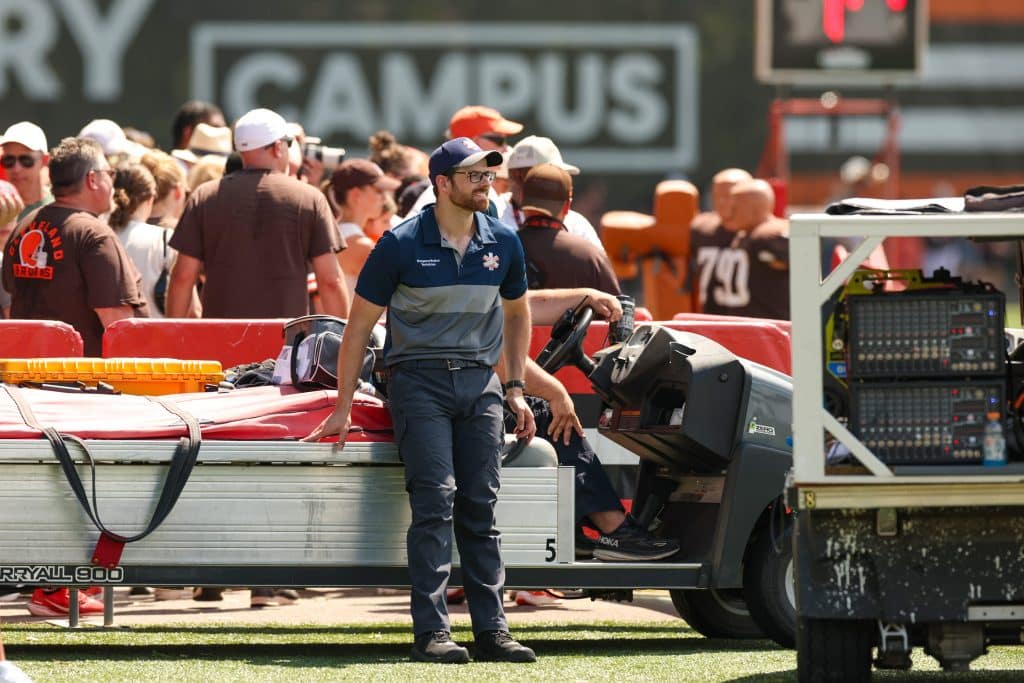
Big events move fast, and emergencies can happen without warning. Reliable ambulance event coverage protects the health and safety of your guests and staff while ensuring trained medical professionals are ready to care for individuals when emergencies arise. Music festivals, sports competitions, corporate gatherings, and community celebrations all need trained medical professionals on-site. Their presence keeps small issues from escalating and ensures fast care when it matters.
This guide explains the key steps to securing the right medical support for your event. It helps you plan coverage that fits your crowd size, location, and risk level.
1. Assess Your Event’s Medical Coverage Needs
Before contacting providers, evaluate what level of medical care your gathering requires. The right event ambulance service depends on several critical factors specific to your site and circumstances.
Attendance and Event Characteristics
Rather than using a single attendance threshold, authorities define mass gatherings by whether the event could strain local emergency resources. The CDC defines mass gatherings as events where large numbers of people congregate at a specific location for a particular purpose. These events are typically defined by their potential to strain local resources rather than by any single attendance number.
Your local jurisdiction may set specific attendance thresholds for permitting requirements. Ensure you check with your local public safety or health department early in your planning process. Multi-day festivals present different challenges than single-day gatherings, as fatigue and cumulative exposure to elements increase the likelihood of incidents.
Location and Accessibility
Venue remoteness plays a crucial role. Remote outdoor locations far from hospitals require more robust on-site resources, as transport times increase significantly. Even urban venues with nearby facilities often face local regulations that mandate minimum standards, regardless of proximity to a hospital. Verify your specific municipality’s requirements during initial planning stages.
Environmental and Activity Risk Factors
Summer outdoor gatherings in hot climates require preparation for heat-related emergencies. Dehydration and heat stroke are among the most common injuries at outdoor events, and cold-weather gatherings require planning to mitigate hypothermia risks.
Your activity type matters, too. Athletic competitions, concerts with mosh pits, or alcohol-serving events present higher risk profiles than seated conferences or family-friendly street fairs.
2. Secure the Right Provider and Coverage Level
Find Qualified Event Medical Services
Begin by identifying reputable event medical ambulance companies specializing in gatherings similar to yours. Verify that providers employ certified Emergency Medical Technicians (EMTs) and paramedics with current Basic Life Support (BLS) or Advanced Life Support (ALS) certifications.
Check these essential credentials:
- Valid state operating licenses
- Comprehensive liability insurance
- Workers’ compensation coverage for staff
- Medical director oversight with approved protocols
- References from comparable events
In most U.S. states, including Ohio, EMS agencies and commercial ambulance providers are required to operate under written medical-direction protocols overseen by a named physician medical director. Confirm that your potential providers meet your state’s specific medical direction requirements and can demonstrate proper documentation.
Choose Between BLS and ALS Coverage
BLS vs. ALS Coverage
Category | BLS (Basic Life Support) | ALS (Advanced Life Support) |
Staffing | EMTs | Paramedics |
Core Skills | CPR, oxygen, minor injury care, AED use | IV access, advanced airway, cardiac monitoring, emergency meds |
When Used | Lower-risk events | Higher-risk or remote events |
How to Choose | Based on a formal risk assessment | Based on a formal risk assessment |
Other Medical Coverage Options
Beyond choosing between BLS and ALS, you may also need first aid stations or roving medical support personnel. First aid stations act as fixed treatment points for minor to moderate issues. Roving teams, on foot, by bike, or in carts, move quickly through crowds to reach patients wherever they are on-site.
Standby ambulances may be transporting or non-transporting units. Some contracts allow for full hospital transport, while others limit crews to on-site stabilization and coordination with emergency services, such as 911. Always confirm transport authorization in writing before the event. When transport is authorized, ambulance crews coordinate patient care with receiving hospitals, ensuring a smooth transition from on-site treatment to hospital care when needed.
Compare Quotes and Service Details
When requesting quotes about how much to hire an ambulance for an event, supply comprehensive details. These include expected attendance, dates, duration, venue location, event type, planned activities, and special risk factors.
Costs vary widely by location, staffing level (BLS versus ALS), number of vehicles, hours, equipment, and whether the provider is public or private. Many local agencies establish standby fees by ordinance or department policy, with hourly rates varying depending on the level of service. Private providers often charge hourly staffing and vehicle rates, as well as mileage and consumables.
Ask providers to specify what their quote includes:
- Number and certification level of personnel
- Quantity of response vehicles
- Equipment and supplies provided
- Additional fees for mileage, extended hours, or standby time
- Transport authorization or on-site stabilization only
- How costs escalate if services extend beyond contracted hours
Get itemized quotes from multiple providers and compare not just price, but the comprehensive scope of services, personnel qualifications, equipment standards, transport capabilities, and cancellation policies.
Review Contracts Thoroughly
Once you hire event ambulance services, carefully examine all contract terms before signing. Pay attention to cancellation policies, weather contingencies, and circumstances that may trigger additional fees. Ensure the agreement clearly outlines service levels, staffing commitments, response protocols, and the responsibilities of each party.
Make transport authorization explicit in your contract and confirm coordination procedures with local 911 services and receiving hospitals. If transport capability matters for your situation, confirm this explicitly in writing, as many event ambulances are contracted for on-site stabilization only.
The contract should specify equipment requirements, communication systems, and coordination procedures with local emergency services. Address insurance and indemnification provisions to protect all parties involved.
3. Coordinate Medical Operations Effectively
Once you’ve booked your medical team, ensure their work integrates seamlessly into your overall event plan. Share key details early: site maps, schedules, expected crowd flow, and any areas that may pose risks.
- Establish clear communication protocols for your medical team, event staff, and security personnel to ensure coordinated responses to medical incidents. Everyone should know exactly how to reach emergency responders. Most medical providers use dedicated radios or digital tools to ensure fast and organized responses.
- Notify local emergency services early and coordinate planning with public safety agencies to ensure your event’s medical team integrates seamlessly with the broader emergency response system.. Many cities require notice for large gatherings, and early coordination helps 911 understand what resources you already have on-site.
- Make your treatment areas easy to find. Add them to your event map, label them clearly around the venue, and train your staff to identify emergencies promptly and alert the medical team.
Essential Questions to Ask Providers
Before finalizing any agreement, ask these critical questions:
- Can you describe your coverage model, such as dedicated on-site ambulances, roving crews, or fixed treatment stations, and provide documented response times from comparable events?
- How do you handle multiple simultaneous incidents?
- What backup plans are in place if scheduled staff become unavailable?
- Do you coordinate with local hospitals regarding potential patient transfers?
- What documentation and post-event reporting do you provide?
- How do you handle patient privacy and medical record confidentiality?
- Is your service authorized to transport patients, or will 911 activation be required?
Plan Event Medical Coverage Early for Best Results
Start planning your event’s medical coverage as early as possible. Smaller events may only need a few months, but large or multi-day gatherings often require 6–18 months to secure crews, coordinate with public safety, and meet permitting requirements. Waiting too long can limit your options and increase costs.
Early planning also shows your commitment to keeping attendees safe and can help reduce liability. Insurers generally view well-organized safety plans more favorably when evaluating coverage.
After the event, schedule a short review with your medical provider. Review what worked well, identify opportunities for improvement, and refine planning for future events. Professional teams keep detailed records of patient encounters, which can guide smarter staffing and planning for future events.
Partner With Physicians Ambulance: Where Seconds Count and Expertise Matters
For more than 65 years, Physicians Ambulance has supported communities, organizations, and event planners with professional emergency medical services across Ohio. . At Physicians Ambulance, every team member is treated as a name, not a number. Our approach emphasizes education, operational discipline, and real-world experience to ensure safe and reliable care wherever it is needed. Our paramedics and medical professionals bring proven expertise to sporting events, concerts, festivals, and community gatherings across more than 20 Ohio counties.. This experience allows us to anticipate potential medical challenges, coordinate closely with public safety partners, and provide dependable coverage that integrates seamlessly with local healthcare systems.
We tailor medical staffing, equipment, and response planning to your venue, risk level, and crowd size, ensuring smooth, reliable, and dependable coverage for events of any scale. With Physicians Ambulance, you get experienced medical support that helps keep your event safe, organized, and prepared for the unexpected. .
Contact Physicians Ambulance at 888-519-1130 or fill out our online form to get started.